How to Choose a Boutique Hotel: 9 Checks That Matter
Two boutique hotels can look identical online and feel worlds apart on arrival. These nine checks separate the good from the overpriced.
Choosing a boutique hotel is mostly a filtering job. The listings all look similar, the photos are all lit the same way, and the reviews swing between five stars and one. The trick is to ask a short list of practical questions before you pay, so the holiday is not decided by a lobby shot.
These nine checks take a few minutes each and catch the mistakes that ruin a stay: the wrong location, the wrong room and the wrong price for what you get.
1. Check the location on a map, not in the copy
"Central" means very little. Drop the pin into a map and measure the walk to the places you actually want: the station, the old town, the beach, the restaurant you booked. A ten-minute walk is fine; a twenty-minute walk along a motorway is not.
2. Match the room count to the service you want
Small hotels know their guests and often remember names. Large ones have more facilities but slower service. Decide which you value, then filter by size rather than by star rating.
3. Read the three-star reviews, not the five-star ones
Perfect reviews tell you the hotel has fans. The middle reviews tell you what actually goes wrong: noise, thin walls, slow breakfast, a lift that groans. Three stars with specific complaints is more useful than five stars with none.
- Look for repeated complaints, not one-off bad luck.
- Trust reviews that mention dates and room numbers.
- Discount reviews that only discuss the decor.
4. Separate the room types before you compare prices
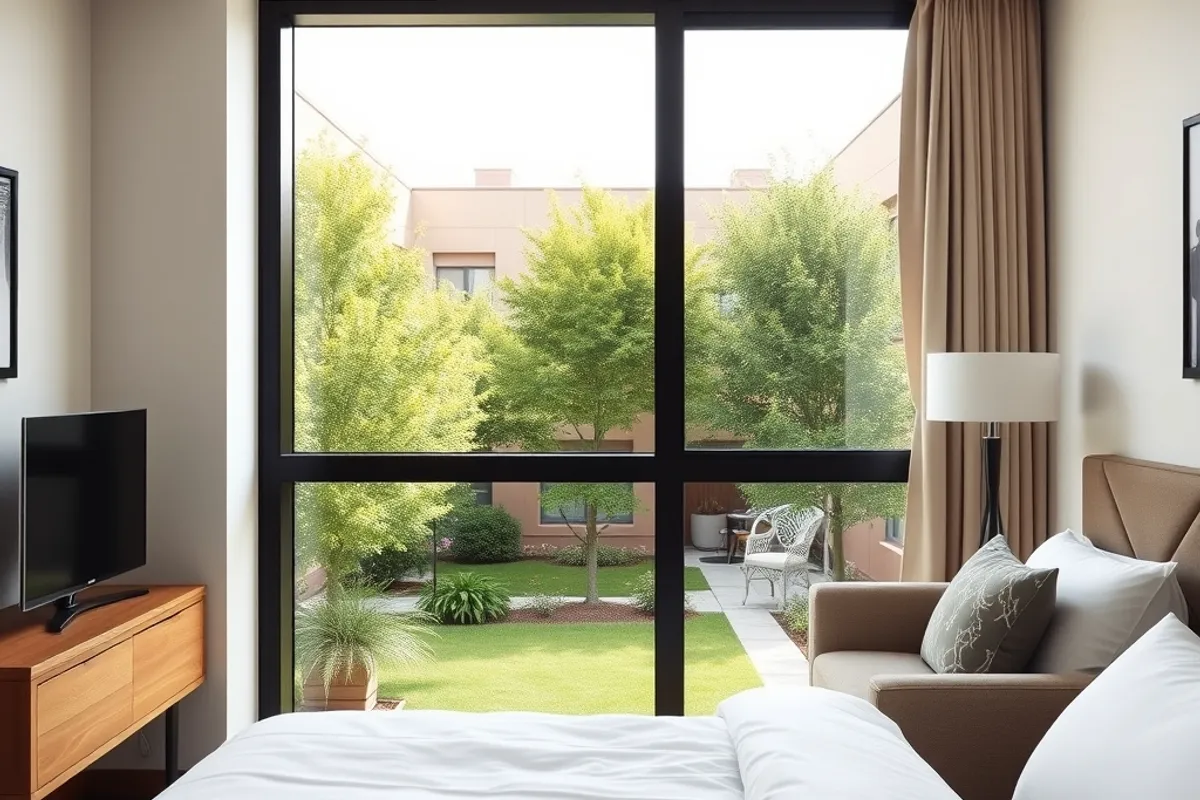
The cheapest room is often the one above the kitchen or facing the street. Compare like with like: the same category across hotels, at the same time of year. If you need quiet, ask for a courtyard or top-floor room by name when you book.
The rate is only half the story. The room type is the other half, and it is the one guests forget to check.
Daniel Okafor
5. Find out what the rate includes
Breakfast, city tax, Wi-Fi and parking are the usual extras. A hotel that includes all four can beat a cheaper one that charges for each. Add the extras to the headline rate before you decide.
6. Check the cancellation window
A flexible rate is worth a few pounds if your plans might move. Read the deadline and the fee, and take a screenshot of the policy at the time of booking.
7. Look at how the hotel handles questions
Email or message the hotel before booking with one specific question. A fast, clear reply is a good sign for the whole stay; silence is not. This single check predicts more about your experience than any photo.
8. Confirm the small comforts
Air conditioning, a proper desk, blackout curtains and a fridge matter more than a statement lamp. In warm months, confirm that the air conditioning is individual rather than central and switched off at night.
If you are travelling with children, the same logic applies with a longer list; see our family-friendly hotels guide for what to prioritise.

9. Book direct when it pays
Booking direct often brings a better cancellation window or a room upgrade, and it makes changes easier. Compare it with the big platforms, then choose whichever gives you the clearest terms, not merely the lowest number.
Key facts
- Verify location on a map before you trust the description.
- Compare the same room type across dates and hotels.
- Add breakfast, tax and Wi-Fi to the headline rate.
- One pre-booking question predicts service better than photos.
Putting it together
None of these checks is complicated, but together they remove most of the risk from booking a boutique hotel. Start with location and room type, confirm the price is truly comparable, and let the reviews and a quick email settle the rest. Ready to shortlist some stays? Our round-up of the best boutique hotels for 2026 applies these checks for you.