
Camping Gear Checklist 2026: What You Really Need to Pack
Camping shops sell far more than a weekend trip requires. This checklist covers what you really need, what to buy well and what to skip.
Camping shops sell a version of camping that involves far more equipment than a weekend actually needs. The result is a car full of gear, half of it unused, and a bill that would have paid for several hotel nights. This checklist covers what you really need, what is worth buying well, and what you can leave on the shelf.
Shelter: the tent and what goes with it
The tent is the one item worth spending on. Buy slightly larger than you think you need for the number of people, choose a model with a good hydrostatic head for your climate, and practise pitching it once at home. Alongside it, carry a mallet, spare pegs, a groundsheet and a repair patch. A poorly chosen tent ruins a trip faster than any missing gadget.
- Tent. A size up from your headcount, with taped seams.
- Groundsheet. Protects the base and keeps damp out.
- Pegs and mallet. Spares, because pegs bend.
- Repair kit. Tape, patches and a spare pole section.
Sleeping system
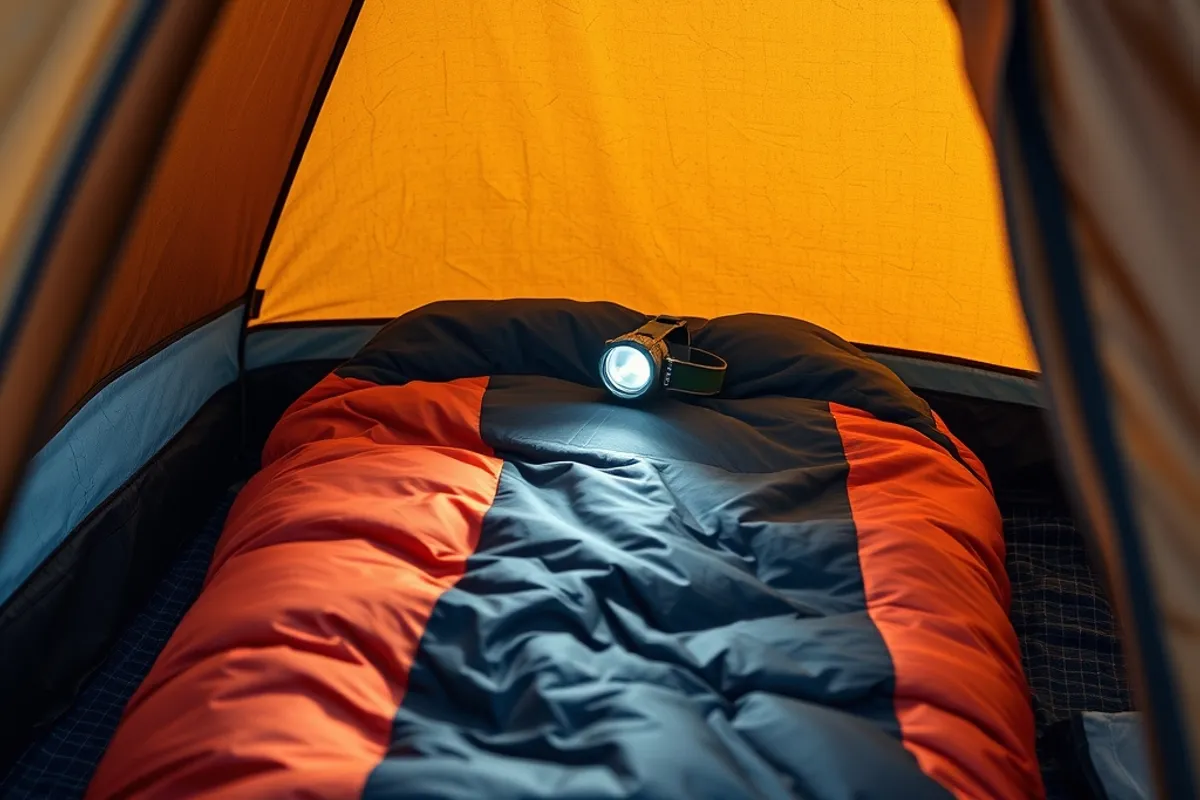
Sleep decides whether camping is fun. A sleeping bag rated for the coldest night you expect, a mat with real insulation, and a pillow you can stand are the three parts. Air mats are comfortable but cold; closed-cell mats are reliable and cheap. If in doubt, take the warmer bag and vent it rather than shivering in a thin one.
You can camp happily with almost no gear, but not with a bad night's sleep.
Marco Silvi
Cooking and water
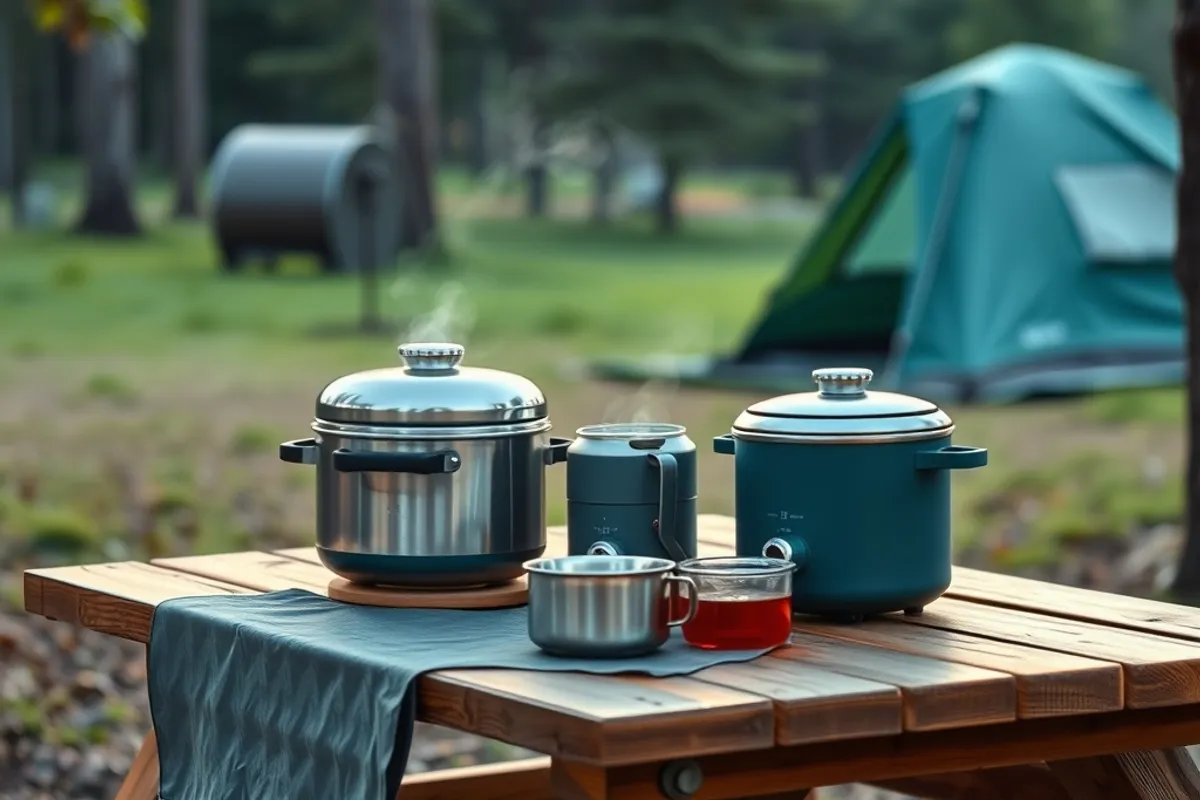
A single reliable stove, a pot, a pan, a lighter and a bottle of fuel cover most trips. Add a water container, a way to treat or filter water if you are away from taps, and a small washing-up kit. Keep the menu simple; one-pot meals reheat well and use less fuel. A cooler bag, kept out of the sun, extends fresh food by a day.
Light, power and safety
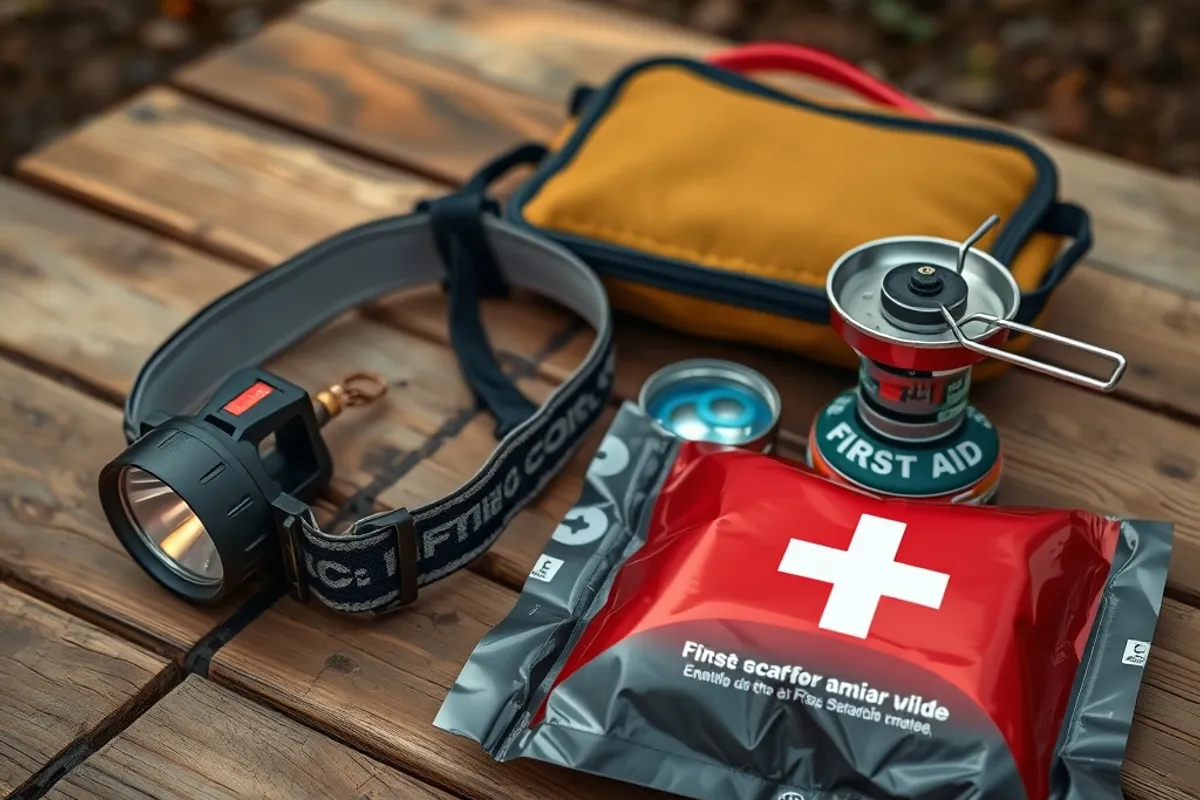
Take a head torch per person, a lantern for the tent, and spare batteries. A power bank keeps phones alive, and a small first-aid kit covers cuts, burns and bites. Add a whistle, a basic map, and sun and insect protection for the season. A fire blanket or extinguisher is worth the space if you plan to cook with flame near the tent.
What to leave behind
Skip the second stove, the folding furniture you will carry once, the full toolkit and the bulky gadgets you have never used at home. Buy fuel and fresh food near the campsite rather than hauling them. If you are new to camping, borrow or hire gear for the first trip; you will learn more about what you need from one night than from any list.
For a site that suits the kit you have, see our round-up of the best camping sites for 2026. For trips with children, the family packing checklist picks up where this one ends.
Key facts
- Spend on the tent and the sleeping system first.
- One good stove beats two complicated ones.
- Carry a head torch and a small first-aid kit per person.
- Buy fuel and food at the destination, not at home.
Final word
Good camping gear is the gear you use every trip. Buy the tent and the sleeping kit well, keep the rest simple, and leave the maybes at home. The best test of a checklist is a dry, warm, well-fed night in a tent on the second day.