
Budget Travel Tips 2026: 15 Ways to Cut Trip Costs
Saving money on the road rarely means skipping the good stuff. These fifteen habits trim the bill without trimming the trip.
Budget travel has a bad reputation. People hear the phrase and picture missed meals and twelve-hour bus rides. In practice, most of the savings on a normal trip come from a handful of habits, none of which involve suffering: booking at the right time, sleeping slightly outside the centre, eating where locals eat, and refusing to pay silent fees. These fifteen tips cover the whole trip, from the search to the last card payment abroad.

Flights and transport
Flight prices move with demand, not distance. Search a few weeks out for short trips and a few months out for long ones, and compare nearby airports on both ends. Tuesday and Wednesday departures are usually the cheapest. Trains win on short routes once you count the airport transfer, the bag fee and the time.
- Compare airports on both ends, not just departure.
- Fly midweek and avoid the first and last flights of the day.
- Price the train against the full door-to-door flight cost.
Accommodation
Staying one stop outside the centre routinely cuts a third off the room rate while adding ten minutes to your commute. Guesthouses, aparthotels and hostels with private rooms beat hotels on value, especially on longer stays where a kitchen pays for itself. Always compare the full stay total, including tax and cleaning fees, rather than the nightly headline.
Cheap travel is mostly the art of removing fees you never agreed to pay.
Priya Nadar
Food and drink
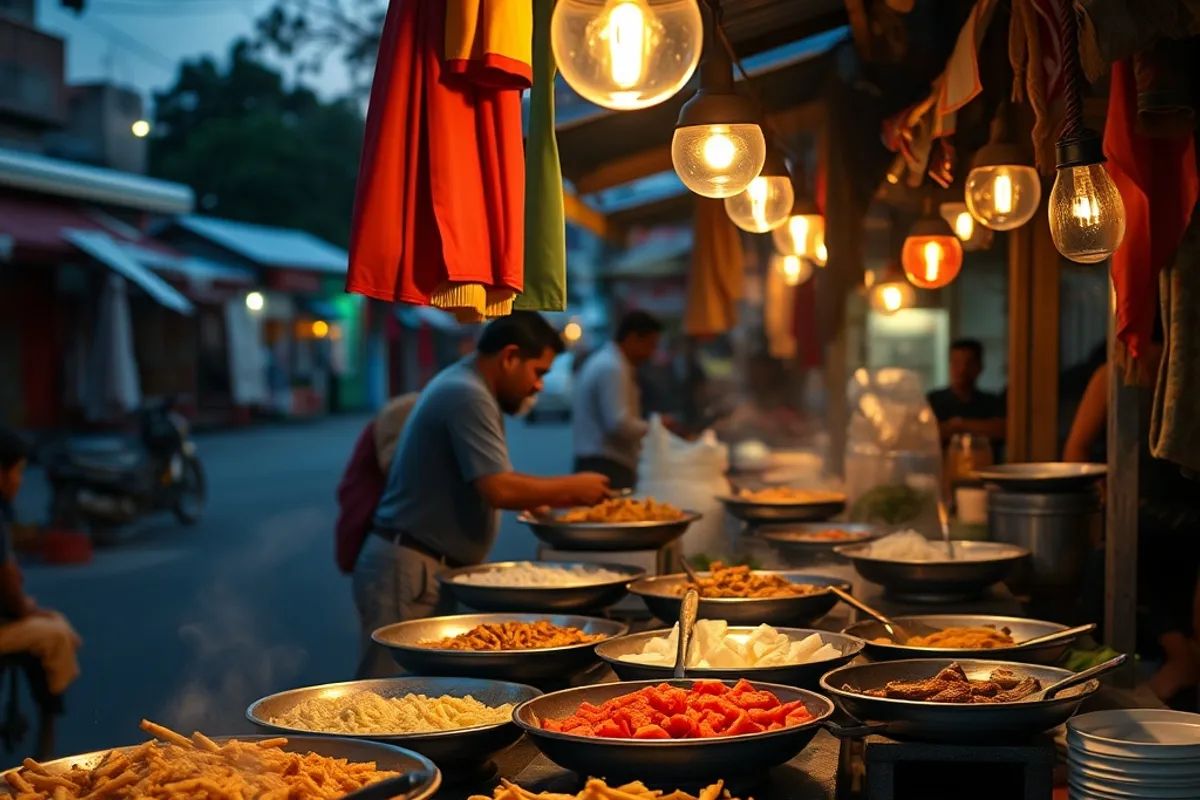
Lunch menus are the same kitchen at a lower price; many restaurants offer a fixed midday deal that costs half the evening rate. Markets and bakeries cover breakfast and a picnic. Drinking at the bar rather than a table is cheaper in much of Europe, and refilling a bottle at public fountains saves a small fortune in hot cities.
Money and cards
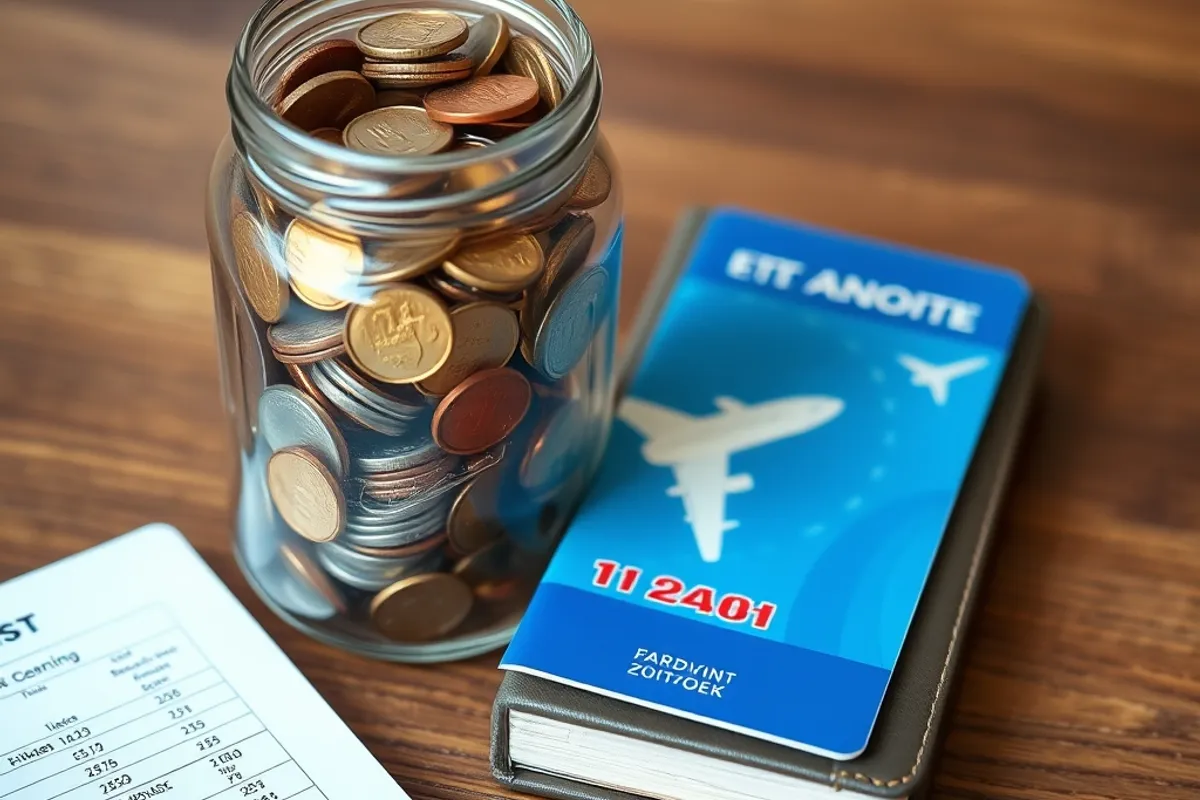
Card fees are the quietest cost of a trip. Choose a card with no foreign transaction fee, and always pay in the local currency when a terminal offers a choice; that option is a markup in disguise. Carry a little cash for small shops and take out larger sums at once to reduce withdrawal fees.

Free and cheap things to do
Most cities hide their best experiences behind no ticket at all: parks, markets, waterfronts, viewpoints and the older quarters. Free walking tours work on tips, and many museums are free on certain evenings or the first Sunday of the month. Check the local rules before you buy a full-price pass; a two-day pass rarely pays off unless you plan to move fast.
Put it together
None of these tips is dramatic on its own, but stacked across a week they change what a trip costs. Book the bed early, travel midweek, eat the lunch menu and refuse dynamic currency conversion. For destination ideas where the base cost is already low, see our picks for the cheapest city breaks in Europe for 2026, and if the plan is a tent rather than a hotel, our best camping sites guide covers the same thinking.
Key facts
- Stay one stop outside the centre for a third off.
- Lunch menus match dinner quality at a lower price.
- Use a no-fee card and pay in the local currency.
- Free sights and evening museum slots beat day passes.
Final word
Budget travel rewards attention, not sacrifice. Spend your effort on the few decisions that move the total, and spend your money on the one or two things you will remember. Everything else can be trimmed without anyone noticing.