

Whispers of the Wild: Rediscovering the World Through Nature Travel
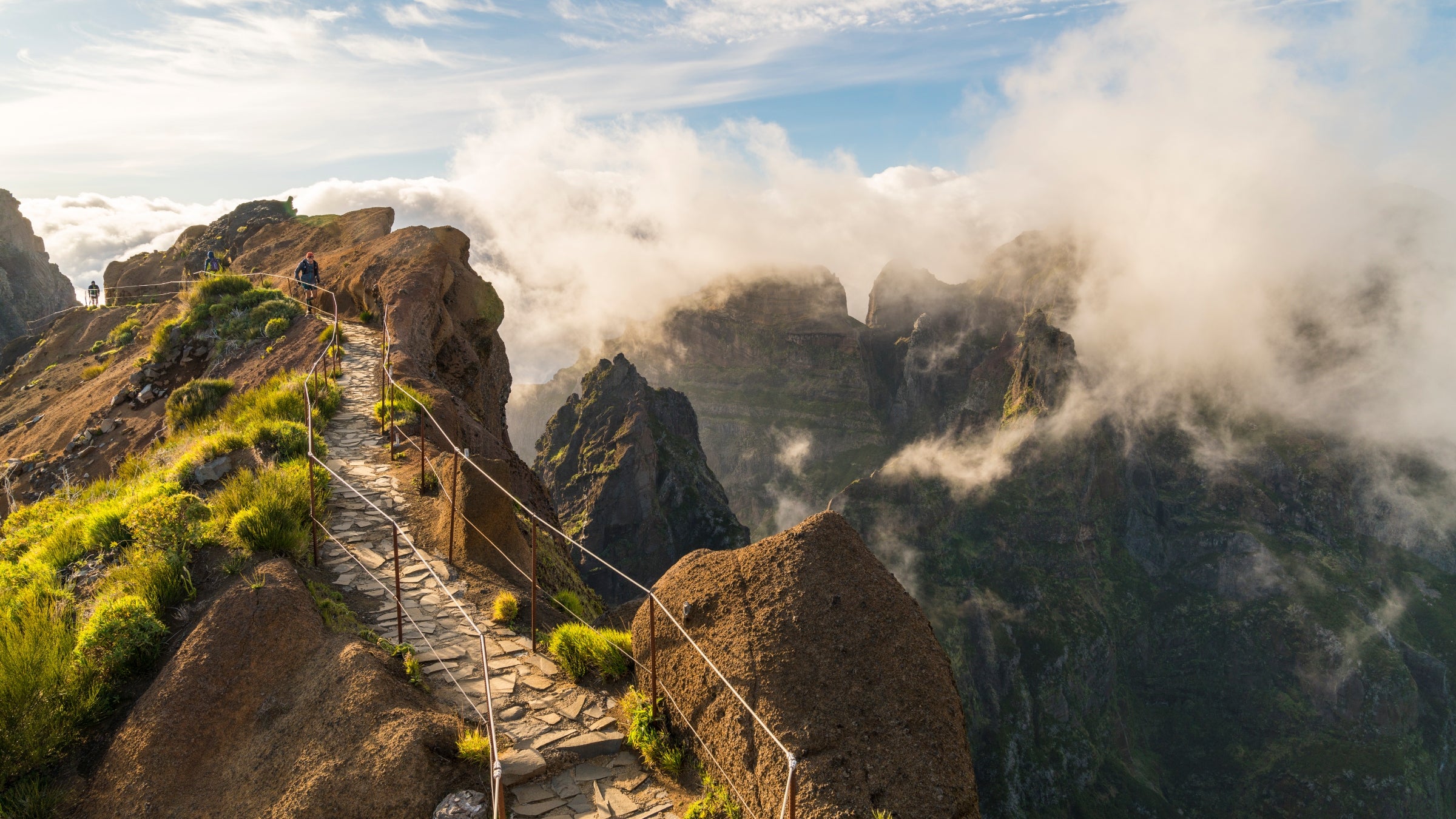
In a world that moves faster by the day, where screens dominate our attention and urban landscapes stretch endlessly, there lies an antidote to the noise—an escape into the untamed heart of nature. Nature travel is more than a trend; it’s a return to roots, a way to reconnect with the rhythms of the earth and the whispers of the wild that have guided humanity for millennia. Whether through a quiet hike along a misty mountain trail, a sunrise over an untouched beach, or the silent observation of wildlife in its natural habitat, these experiences offer something profound: a chance to listen, to learn, and to rediscover the world in its purest form.
The Call of the Wild: Why Nature Travel Matters
Modern life often feels like a whirlwind of notifications, deadlines, and artificial environments. Nature travel serves as a powerful counterbalance, grounding us in the present moment and reminding us of our place in the world. Studies have shown that spending time in nature reduces stress, lowers blood pressure, and enhances mental clarity. But beyond the physical benefits, nature travel awakens the senses—it invites us to see the world through fresh eyes, to feel the earth beneath our feet, and to hear the stories that the wind carries through the trees.
For many, nature travel is also a journey of self-discovery. Stepping away from the familiar allows space for reflection, creativity, and personal growth. The challenges of navigating unfamiliar terrain or adapting to new environments can build resilience, while the beauty of untouched landscapes fosters a sense of awe and gratitude. In a time when humanity’s disconnect from nature has led to environmental crises, reconnecting with the wild is not just a luxury—it’s a necessity.
Destinations That Speak to the Soul
Nature travel is as diverse as the landscapes themselves. Some seek the thrill of high-altitude adventures, while others crave the tranquility of remote wilderness. Here are a few destinations that embody the essence of natural wonder and offer transformative experiences:
- The Norwegian Fjords, Norway – A land of dramatic cliffs, cascading waterfalls, and serene blue waters, where the Northern Lights dance across winter skies. Hiking the famous Trolltunga or kayaking through Geirangerfjord immerses travelers in a world of raw, breathtaking beauty.
- Patagonia, Chile & Argentina – A vast, windswept wilderness where jagged peaks meet turquoise lakes. Trekking in Torres del Paine or exploring the Perito Moreno Glacier offers a humbling encounter with the power and majesty of nature.
- Daintree Rainforest, Australia – One of the oldest rainforests on Earth, teeming with life. Walking among towering ancient trees, spotting rare wildlife like the southern cassowary, and listening to the chorus of birds at dawn is like stepping into a living museum of biodiversity.
- Svalbard, Norway – An Arctic archipelago where polar bears roam, glaciers calve into the sea, and the midnight sun paints the landscape in golden hues. Expeditions here offer a rare glimpse into the fragile yet resilient ecosystems of the polar regions.
- Bhutan’s Himalayan Trails, Bhutan – A kingdom of monasteries perched on cliffs and forests that echo with prayer flags. Trekking to places like the Tiger’s Nest Monastery or the pristine valleys of Haa provides a spiritual connection to both nature and culture.
The Art of Slow Travel: Embracing the Journey
Nature travel isn’t just about ticking off destinations; it’s about immersing oneself in the experience. The art of slow travel encourages travelers to savor each moment, to move at the pace of the environment around them, and to engage deeply with the places they visit. This might mean camping under a canopy of stars, learning survival skills from indigenous communities, or simply sitting quietly by a stream and observing the interplay of light and water.
Slow travel also fosters sustainability. By choosing eco-friendly accommodations, supporting local conservation efforts, and minimizing one’s footprint, travelers can ensure that the destinations they cherish remain unspoiled for future generations. It’s a shift from consumption to connection—a recognition that the true value of a journey lies not in what one takes, but in what one gives back to the earth.
Stories from the Wild: Lessons from Nature
Every journey into nature is a story waiting to be told. Some tales are epic—like the hiker who navigates a storm to reach a summit, only to be rewarded with a view that words cannot capture. Others are quiet—like the traveler who sits by a campfire, listening to the crackling wood and the distant howl of a wolf, feeling a profound sense of belonging.
Nature has a way of teaching lessons that stick. It reminds us of the cycle of life and death, the importance of adaptation, and the beauty of impermanence. A single encounter with a herd of elephants crossing a savanna or a pod of dolphins playing in the waves can shift one’s perspective forever. These moments foster humility, reminding us that we are but one thread in the vast tapestry of life.
For those who venture into the wild, the greatest gift is often the realization that nature doesn’t need to be conquered—it needs to be listened to. The whispers of the wind, the rustle of leaves, the distant call of a bird—these are the voices that guide us back to what truly matters.
How to Begin Your Nature Travel Journey
If the call of the wild resonates with you, but the idea of planning a nature-focused trip feels daunting, start small. Begin with local exploration—visit a nearby forest, lake, or mountain range. Notice the details: the texture of tree bark, the scent of rain on soil, the way sunlight filters through leaves. These observations will deepen your appreciation for nature and prepare you for more adventurous journeys.
When you’re ready to venture further, consider the following steps:
- Research and Plan – Choose destinations that align with your interests, whether it’s wildlife photography, hiking, or simply relaxation. Look for eco-certified lodges and tour operators committed to sustainable practices.
- Pack Mindfully – Opt for lightweight, durable gear that minimizes environmental impact. Bring reusable water bottles, biodegradable toiletries, and clothing made from sustainable materials.
- Learn Basic Survival Skills – Understanding how to read a map, purify water, or set up a shelter can enhance your confidence and safety in the wild.
- Travel Off-Peak – Visiting popular destinations during shoulder seasons can reduce overcrowding and allow for a more intimate experience with nature.
- Leave No Trace – Follow the principles of Leave No Trace (LNT) to ensure your presence doesn’t harm the environment. This includes packing out all waste, staying on designated trails, and respecting wildlife.
Nature Travel in the Digital Age
While technology has made the world more connected than ever, it has also contributed to our disconnection from nature. However, the digital age also offers tools to deepen our engagement with the wild. Apps like AllTrails can help identify hiking trails, while wildlife tracking apps allow users to document and learn about local species. Drones can capture stunning aerial footage, and social media platforms inspire others to explore nature responsibly.
Yet, there’s a balance to strike. While technology can enhance our experiences, it’s important to occasionally unplug and fully immerse oneself in the present. Putting the phone away, even for a few hours, can transform a walk in the woods into a meditative journey. The goal is to use technology as a tool for connection, not distraction.
The Future of Nature Travel
As climate change and habitat loss continue to reshape the planet, the future of nature travel hinges on sustainability and stewardship. Travelers must become advocates for conservation, supporting organizations that protect endangered ecosystems and wildlife. They must also challenge the notion of travel as a purely recreational activity, recognizing that it carries a responsibility to preserve the places we love.
Emerging trends like regenerative travel—where visitors actively contribute to the restoration of natural environments—are paving the way for a more ethical approach to exploration. From volunteering in reforestation projects to participating in citizen science initiatives, travelers can leave destinations better than they found them.
Conclusion: A Journey Back to Ourselves
Nature travel is more than a holiday; it’s a pilgrimage to the heart of what it means to be alive. It’s a reminder that we are not separate from the wild, but an integral part of it. In the whispers of the wind, the songs of birds, and the silent strength of ancient trees, we find echoes of our own humanity.
So, lace up your boots, pack your sense of wonder, and step into the wild. Rediscover the world—not as a tourist, but as a student of nature. Listen to its stories, respect its rhythms, and let it guide you back to yourself. The wild is waiting, and its whispers are calling your name.



More Stories
Offbeat Spots Perfect for Nature Travel
Escape the ordinary: Where nature’s wonders call your next adventure
Wander Off the Path: Where Nature’s Adventures Begin