
Untamed waterways keep inspiring travelers who crave raw landscapes, powerful currents, and moments filled with clarity. These environments set the tone for thrilling journeys shaped by wild rivers adventure. Rapids roar with intensity. Calm pools offer contrast. Each stretch reveals something new. Explorers feel energized as the current guides them into deeper wilderness.
The Allure of Untamed Water Systems
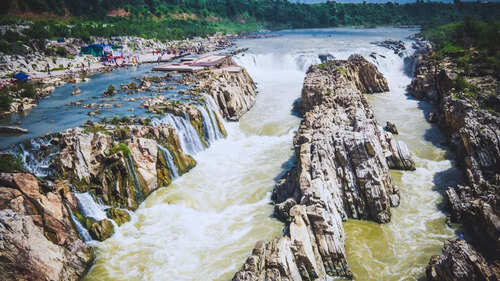
Rivers shape terrain with relentless motion. They carve deep channels. They reveal exposed rock layers. They nourish ecosystems that thrive along their banks. Travelers sense the rhythm of moving water. It creates anticipation with every turn.
The sound of rapids builds excitement. Mist rises as waves collide. Kayakers and rafters interpret each pattern. They learn to read the water with precision. This develops awareness and sharpens focus.
Navigating Rapids With Skill and Strategy
Whitewater routes challenge adventurers with unpredictable elements. Strong currents demand quick reaction. Rocks alter flow patterns. Drops create sudden acceleration. Controlled paddling becomes essential.
Guides teach maneuvering techniques. Forward strokes maintain speed. Back strokes reduce momentum. Lateral movements help avoid obstacles. Effective communication keeps groups aligned. Teamwork becomes central during intense sections.
Landscapes That Elevate the Experience
Rivers cut through mountains, forests, and canyons. Each region offers distinctive scenery. Towering cliffs create dramatic backdrops. Dense vegetation adds rich color. Narrow passes intensify sound as water squeezes through tight spaces.
Wildlife often appears along quieter stretches. Birds perch on overhanging branches. Fish break the surface during feeding cycles. Mammals approach water sources at dawn or dusk. These interactions remind travelers of the ecosystem’s complexity.
Cultural Stories Along River Routes
Communities have formed along riverbanks for centuries. Traditions reflect respect for the water. Travelers often meet residents who share stories about seasonal changes. They describe how the river influences agriculture, ceremony, and daily life.
Some regions display carvings or painted symbols on cliff faces. These markings reveal historical movement and settlement patterns. Learning these stories adds meaning to each journey.
Physical and Mental Growth Through Movement
Navigating rivers strengthens the entire body. The upper torso powers each stroke. The core stabilizes motion. Legs anchor the paddler to the vessel. This creates balanced exertion that improves endurance.
Mental resilience grows as travelers face unpredictable conditions. Quick adjustments sharpen decision making. Extended journeys encourage patience. The blend of challenge and reward creates lasting confidence.
Safety Measures Supporting Responsible Exploration
Preparation protects travelers from avoidable risks. Life jackets remain essential. Helmets prevent injury during unexpected impacts. Sturdy gear withstands rough contact with rocks. Checking weather and water levels helps anticipate changes in river behavior.
Travelers gain valuable insight from experienced guides. They identify safe paths. They recognize hazardous formations. They lead practice sessions before entering demanding rapids. Structured preparation improves group cohesion.
Technology Assisting River Navigation
Modern tools support exploration while preserving the wild experience. Waterproof GPS devices track progress. Satellite communication units allow contact when signals fade. Durable action cameras capture rapid sequences with clarity.
Hydration sensors manage energy levels. Environmental monitors track temperature and water purity. These devices enhance safety without detracting from the natural surroundings.
Environmental Stewardship in River Regions
Responsible adventurers protect river ecosystems. They avoid disturbing vegetation along the banks. They reduce waste by using reusable containers. They follow marked entry points to preserve fragile habitats.
Support for local conservation groups strengthens long term preservation. These organizations restore damaged areas. They monitor wildlife populations. They educate visitors about sustainable practices. Participation keeps river routes healthy for future travelers.
Choosing Routes That Match Experience Levels
Rivers vary in intensity. Some sections flow gently and welcome beginners. Others contain advanced rapids requiring skill and teamwork. Understanding classification systems helps travelers choose suitable routes.
Multi day expeditions create deep immersion. Camping along riverbanks enhances the experience. Nights bring cooler air. The sound of moving water becomes steady and calming. These moments turn the adventure into a complete journey.
The Future of River Based Exploration
Interest in wild river travel continues to expand. Travelers seek natural environments that challenge and inspire. Regions respond by developing responsible infrastructure. Guides refine training programs. Conservation efforts strengthen.
Innovation will shape new approaches. Mapping systems will improve accuracy. Gear will become lighter and more durable. Education programs will deepen respect for water systems. These developments support meaningful experiences for travelers who pursue exploration with intention.
Conclusion
Wild rivers provide a powerful platform for adventure. Travelers encounter landscapes shaped by motion and time. Skill, awareness, and curiosity guide each moment. This style of exploration continues to attract those seeking depth, challenge, and connection.



More Stories
Lost in the Wild: Where Every Step is a New Story
Unforgettable Wildlife Adventures: Where Every Journey Becomes a Wild Encounter
Uncharted Paths: 5 Smart Moves for Your Next Wild Adventure