
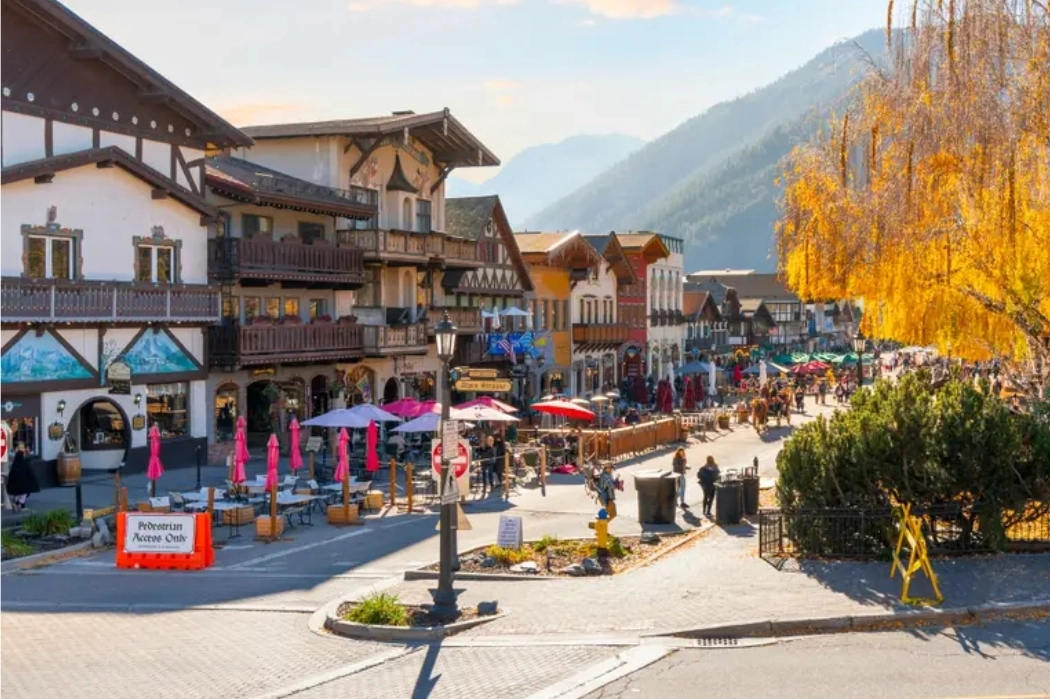
Journeys through lesser known regions often unveil remarkable stories, heartfelt encounters, and traditions preserved with quiet pride. Exploring these intimate destinations brings a refreshing sense of authenticity. Many travelers discover that embracing small town cultural charm leads to richer interactions and serene moments rarely found in bustling metropolitan centers.
Discovering Heritage Embedded in Daily Rituals
Small towns often cultivate traditions that have endured through generations. Observing morning routines, market gatherings, or seasonal festivities reveals how deeply heritage is interwoven with daily life. Residents frequently maintain longstanding customs with meticulous care, from artisanal crafts to localized culinary methods. These practices provide a window into history shaped by geography, climate, and communal ties.
Venturing Into Historic Districts Filled With Character
Historic districts in smaller communities often remain delightfully uncommercialized. Cobblestone walkways, weathered facades, and centuries old buildings create a sense of temporal immersion. Each corner holds echoes of past livelihoods and family legacies. Travelers who stroll slowly through these spaces can appreciate the textures, colors, and architectural quirks that define the town’s character. Even brief visits often yield vivid impressions.
Engaging With Local Artisans Who Preserve Timeless Skills
Artisans in small towns frequently carry forward techniques passed from elder to apprentice. Whether crafting pottery, hand stitching textiles, or carving intricate wooden designs, their work expresses both heritage and craftsmanship. Conversations with these makers illuminate the patience, discipline, and creativity embedded in each piece. Travelers gain appreciation for the dedication required to sustain traditions in a rapidly shifting world.
Savoring Regional Cuisine Rooted in Tradition
Food in small towns often reflects centuries of culinary evolution. Recipes are prepared with locally sourced ingredients, often cultivated within a short distance. Each dish tells a story. The flavors reveal the region’s agricultural landscape, climate, and cultural heritage. Dining at modest eateries or family run kitchens offers a more vivid sensory experience than standard tourist fare. Travelers discover distinctive tastes shaped by generations of experimentation and adaptation.
Participating in Community Events That Celebrate Identity
Community events are vibrant expressions of local pride. Seasonal festivals, harvest celebrations, or traditional music performances showcase how residents honor their heritage. Participating, even as an observer, fosters connection and understanding. The choreography of these gatherings, from costumes to melodies, reflects values passed down through families and shared across generations. Enthusiasm, warmth, and hospitality often surround such occasions.
Exploring Natural Landscapes That Shape Local Traditions
Nature plays a defining role in small town life. Rivers, forests, mountains, or plains influence livelihoods and recreational habits. Exploring these landscapes helps travelers understand how geography shapes cultural identity. Hiking along old pathways, visiting quiet lakesides, or observing local wildlife reveals the intimate bond between community and environment. This connection often forms the foundation for rituals, folklore, and seasonal rhythms.
Conversing With Elders Who Carry Deep Historical Knowledge
Elders are invaluable storytellers and keepers of memory. Their recollections illuminate decades of change, adaptation, and perseverance. Engaging in conversation with these individuals provides insights unavailable through travel guides. They recount tales of past festivals, craftsmanship traditions, and regional eccentricities. Their narratives enrich the traveler’s understanding and bring the town’s history to life.
Supporting Local Businesses That Sustain Community Identity
Supporting regional enterprises helps preserve the integrity of small towns. Purchasing handmade goods, dining at independent restaurants, or joining community led tours strengthens local economies. Each contribution empowers residents to continue preserving cultural traditions. This reciprocal relationship enhances the travel experience while ensuring that heritage remains vibrant.
Observing Artistic Expressions Found in Everyday Spaces
Artistic expression thrives in unexpected corners of small communities. Murals, folk sculptures, intricately painted storefronts, and handcrafted street signs reflect collective creativity. Many of these pieces tell cultural stories or commemorate local legends. Travelers who pay close attention discover unique visual narratives that exemplify the town’s identity. Such artwork often reveals pride, humor, and generational craftsmanship.
Adopting a Slow Travel Mindset to Absorb Nuance
Slow travel is essential when visiting small town gems. Rushing through narrow lanes or quickly checking off landmarks diminishes the experience. Allowing time for wandering, conversation, and quiet observation unlocks deeper understanding. A relaxed pace encourages serendipitous moments and unexpected discoveries. Travelers who embrace this approach often leave with richer memories and meaningful connections.
Observing Markets That Reflect Local Rhythm and Resourcefulness
Markets in small communities offer vibrant displays of regional life. Fresh produce, handcrafted goods, and local delicacies fill the stalls. The marketplace atmosphere provides a glimpse into the town’s social and economic patterns. Conversations with vendors reveal insights into agricultural practices, culinary traditions, and the rhythm of daily life. These markets serve as cultural crossroads where generations exchange knowledge and goods.
Learning Regional Phrases to Build Connection
Even minimal familiarity with local expressions fosters rapport. Attempts to speak regional greetings or simple phrases demonstrate respect and enthusiasm. Residents often respond warmly, offering additional insights or stories. Language becomes a bridge that deepens the traveler’s connection to people and place. This small effort enhances the authenticity of the experience.
Appreciating the Interplay Between Past and Present
Many small towns balance tradition with modernity. Observing how communities integrate contemporary conveniences while maintaining cultural identity reveals a dynamic interplay. Modern cafes may operate beside historic bakeries, while new art installations appear near century old monuments. This coexistence adds depth to the town’s narrative. Travelers witness how heritage evolves organically over time.
Allowing Curiosity to Guide Each Encounter
Curiosity enriches exploration. Asking thoughtful questions, observing daily rituals, and venturing beyond central squares encourages deeper understanding. Small towns reward attentive travelers with hidden stories and heartfelt interactions. Each discovery, no matter how subtle, contributes to a more fulfilling cultural journey.




More Stories
Cultural Travel Experiences Beyond Museums
Cultural Travel Beyond Popular Destinations
Uncover the World Through Its Stories: A Cultural Travel Tour Like No Other